Cristina Branco
- Genre:
- International
- Meta styles:
- Western European Traditions, Worldbeat
- Styles:
- Fado, Neo-Traditional
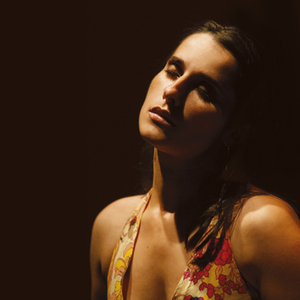
Cristina Branco was born in December, 1972, in Almeirim, Ribatejo, Portugal, where she still lives. Her music is deeply rooted in tradition, yet essentially modern. She grew up far from the fado houses of Lisbon and nothing suggested that she was predestined for the fado. Like almost all young Portuguese born after the revolution of 1974, she was interested in folk music, jazz, blues, bossa nova but not in fado. She regarded it as a genre for a different generation. This lasted until her 18th birthday, when her grandfather gave her the album Rara e Inédita by Amália Rodrigues.
She grew up far from the fado houses of Lisbon and nothing suggested that she was predestined for the fado. Like almost all young Portuguese born after the revolution of 1974, she was interested in folk music, jazz, blues, bossa nova but not in fado. She regarded it as a genre for a different generation. This lasted until her 18th birthday, when her grandfather gave her the album Rara e Inédita by Amália Rodrigues. Suddenly, Cristina Branco discovered all the emotions that the genre could offer in the close connections that arose among voice, poetry and music. The amateur singer - then studying communication sciences and still full of her ambition to become a journalist - began to develop her vocal technique and to take her new vocation seriously.
After that, Cristina studied the poems from which major fado lyrics are taken.
Since then, Cristina has worked on her fado repertory, accompanied by Custódio Castelo on guitar and as composer.
Halfway through the nineties, other young musicians also found a new means of expression in the fado and this contributed to a surprising renaissance. Just as they did, Cristina Branco began to make clear choices in which respect for the tradition went hand in hand with the desire for renewal.
There can be no doubt that Cristina Branco is developing her own style from a number of primary components. She employs a traditional group (voice, Portuguese guitar, guitar and bass guitar) and offers us concurrently a light, warm and experienced voice; she mixes the traditional fado with themes and folk songs that are personal favourites and seems always to choose the words of the best Portuguese, or even Dutch poets with discretion.
- Sort by
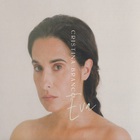
Eva
- Year:
- 2020
- Tracks:
- 10
- Bitrate:
- 320 kbps

Branco
- Year:
- 2018
- Tracks:
- 12
- Bitrate:
- 320 kbps
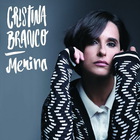
Menina
- Year:
- 2016
- Tracks:
- 12
- Bitrate:
- 320 kbps
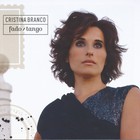
Fado Tango
- Year:
- 2011
- Tracks:
- 16
- Bitrate:
- 320 kbps
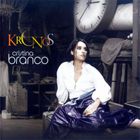
Kronos
- Year:
- 2009
- Tracks:
- 14
- Bitrate:
- 320 kbps
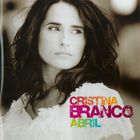
Abril
- Year:
- 2007
- Tracks:
- 16
- Bitrate:
- 320 kbps
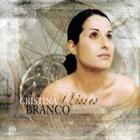
Ulisses
- Year:
- 2005
- Tracks:
- 15
- Bitrate:
- 320 kbps
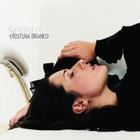
Sensus
- Year:
- 2003
- Tracks:
- 14
- Bitrate:
- 320 kbps
O Descobridor
- Year:
- 2002
- Tracks:
- 12
- Bitrate:
- 320 kbps

Corpo Iluminado
- Year:
- 2001
- Tracks:
- 16
- Bitrate:
- 320 kbps
 Amália Rodrigues 32
 Camané 14
 Carlos Do Carmo 5
 Dulce Pontes 11
 Madredeus 14
 Mariza 12
 Misia 39
 Agnes Jaoui 3
 Ala Dos Namorados 9
 Antonio Carlos Jobim 44
 Astor Piazzolla 38
 Astrud Gilberto 24
 Buena Vista Social Club 11
 Caetano Veloso 41
 Carlos Gardel 52
 Edith Piaf 30
 Gilberto Gil 24
 Gotan Project 10
 João Gilberto 17
 Joni Mitchell 94
 Katia Guerreiro 12
 Mafalda Arnauth 8
 Marlene Dietrich 3
 Pablo Milanes 6
 Paolo Conte 7
 PEREZ PRADO 17
 Ramana Vieira 1
 Ricchi E Poveri 9
 Salvatore Adamo 50
 Ana Moura 12
 Aldina Duarte 2
 Carminho 6
 Raquel Tavares 2